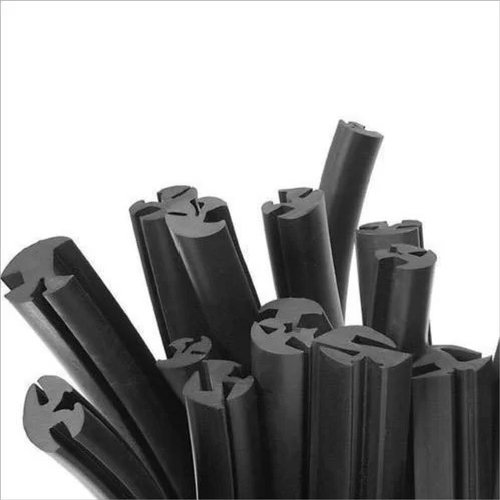
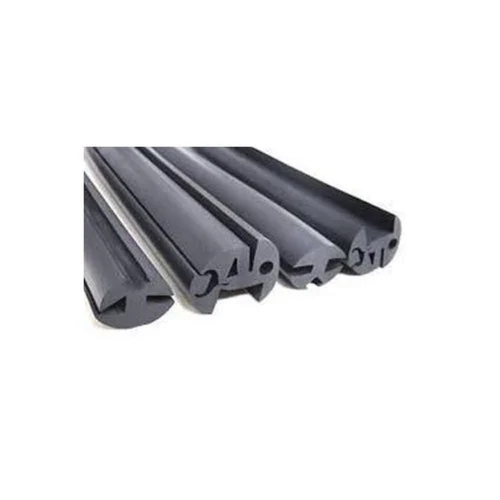
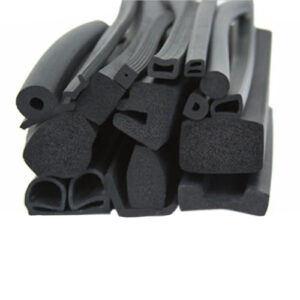
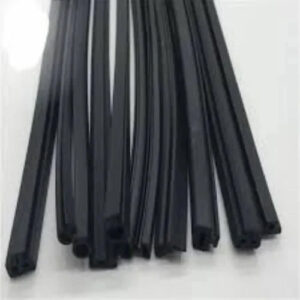
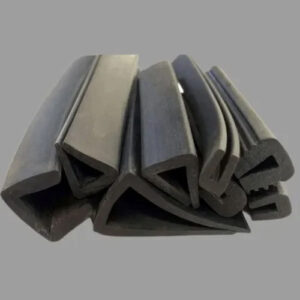
Bus body rubber profiles are specially engineered extruded elastomeric components used for sealing, glazing, edge protection, and vibration damping in bus and coach body structures. These profiles play a critical role in ensuring passenger comfort, weather tightness, and long-term structural integrity by effectively preventing water ingress, dust penetration, and air leakage while also absorbing shocks and reducing noise during vehicle operation. Typically manufactured from weather-resistant elastomers such as EPDM, bus body rubber profiles exhibit excellent resistance to UV radiation, ozone, rain, and temperature fluctuations, making them ideal for continuous outdoor service and prolonged exposure to harsh environmental conditions. They are widely used in window and windshield beading, door seals, partition seals, floor edge trims, roof joint seals, and panel mounting applications across city buses, intercity coaches, electric buses, and special-purpose vehicles. These profiles are available in a wide variety of cross-sectional designs, including U-channels, H-profiles, glazing channels, bulb seals, lip seals, and custom geometries to suit different body structures and installation methods. Bus body rubber profiles offer good elasticity, low compression set, and high tear resistance, ensuring consistent sealing performance even after repeated door cycles and long-term vibration. They can be supplied in continuous lengths or fabricated frames, and can be tailored in hardness, geometry, and surface finish based on vehicle design and functional requirements. Due to their durability, environmental resistance, and adaptability to custom designs, bus body rubber profiles are an essential sealing and protection solution for the automotive and public transportation industry.